
Choosing Roman shades for your home involves more than selecting a beautiful fabric. The way the shades fold, stack, or roll can influence the appearance of your windows, the amount of natural light entering a room, and how much of your view remains visible when the shades are raised.
From traditional fabric designs to modern rolling styles, custom Roman shades offer a variety of ways to personalize your windows. Let’s explore the fabrics, folds, and operating styles to consider before choosing the right Roman shades for your home.
Choosing Fabrics for Roman Shades
Fabric selection is one of the most exciting parts of designing custom Roman shades. Soft neutrals, subtle textures, bold patterns, and colorful prints can each create a different atmosphere. Consider the colors and furnishings already in your room, along with how much visual interest you want your window treatments to add.
Custom fabric Roman shades also offer opportunities to coordinate your window coverings with drapery, bedding, and other decorative fabrics. Whether you prefer a subtle, tailored look or a statement-making pattern, the right fabric can bring the room’s design together.

Cascading Roman Shades vs. Flat Stack Styles
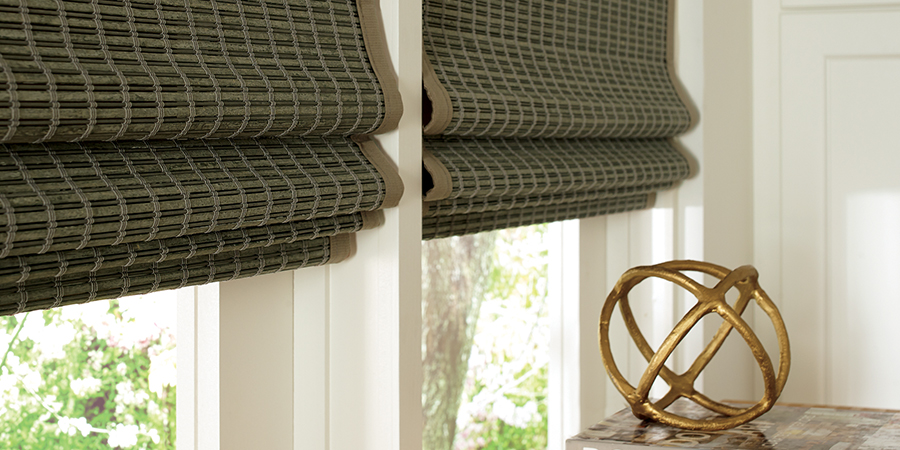
One of the most important decisions when choosing Roman shades is how you want the fabric to appear at the window. Cascading Roman shades feature soft, flowing folds that create a dimensional, relaxed look. The fabric gathers as the shade rises, adding texture and elegance to the room.
Natural woven materials can also create beautiful folds. For example, Provenance® Woven Wood Shades feature organic textures that bring warmth and character to both contemporary and traditional interiors.

Flat stack Roman shades create a more streamlined appearance. Their fabric gathers into neat, horizontal folds when raised, making them a popular choice for homeowners who prefer clean lines and tailored styling.

Both styles offer the softness of Roman shades, but their appearance differs. Cascading folds create a more decorative effect, while flat stacking designs provide a cleaner, more structured look.
Rolling Roman Shades for a Clearer View
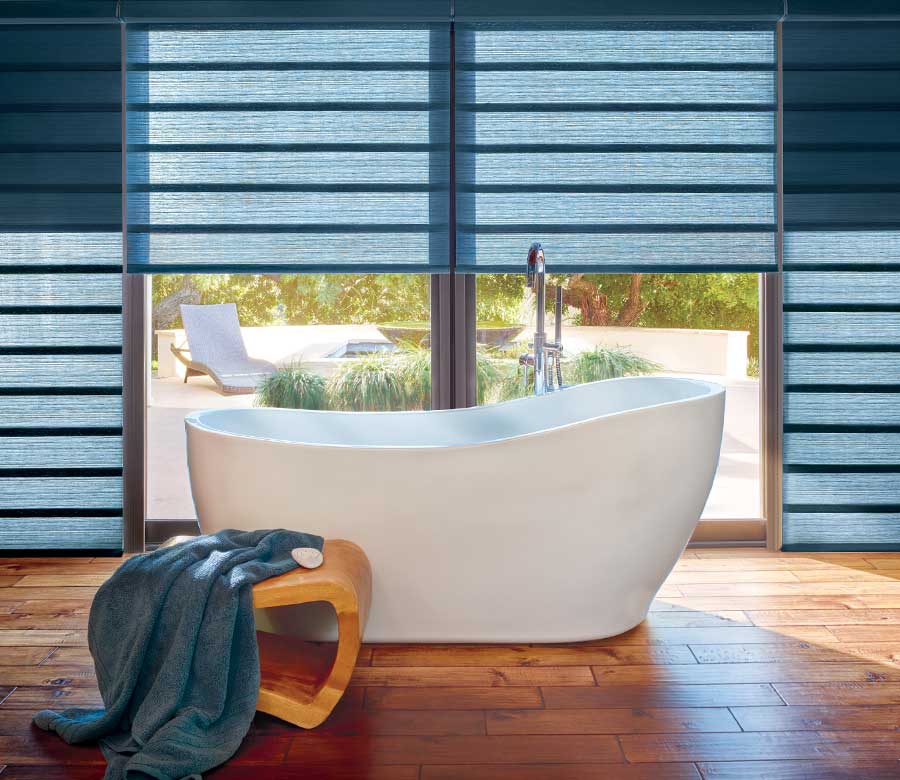
Traditional Roman shades gather into folds at the top of the window when raised. Rolling Roman shades offer a different approach by allowing the fabric to roll into the headrail, reducing the amount of material visible above the window. This can be especially appealing in rooms with large windows, beautiful outdoor views, or contemporary interiors where a streamlined appearance is important.
Hunter Douglas Vignette® Modern Roman Shades offer rolling and stacking styles, giving homeowners the flexibility to choose the appearance that best suits their windows and design preferences.
How Do You Choose the Right Roman Shades?
As you compare Roman shade styles, consider the amount of natural light you want, your privacy needs, the fabric’s appearance, and how the shades will operate throughout the day. A decorative fabric might be ideal for a living room, while a bedroom may benefit from additional room-darkening options.

Window size and the amount of fabric visible when the shades are raised can also influence your decision. If maintaining an open view is important, a rolling style may be worth considering. For a softer, more traditional appearance, cascading or stacking Roman shades may be the better fit. Explore our custom Roman shades in San Antonio to compare Vignette®, Provenance® Woven Woods, Alustra® Woven Textures®, and custom fabric Roman shades.
Need Help Choosing Roman Shades?
At Window Fashions of Texas, our design consultants can help you compare fabrics, folds, and operating features to find Roman shades that complement your home’s style and everyday needs. Visit our San Antonio showroom to explore window treatment options in person, or schedule a free design consultation for personalized guidance in your home.